Showing posts with label sovereignty. Show all posts

Tuesday, August 20, 2024

God is the Potter, and Men Are the Clay

"The Lord has made all for Himself, yes, even the wicked for the day of doom" (Proverbs 16:4). 

This verse amazes me, because it turns a complex and difficult topic into one simple sentence. It tells us that God, Jehovah, is the Creator, and that He has made all things, including the wicked, not for our own purposes, but for His. Paul uses the image of the potter to convey the same concept: "You will say to me, then, 'Why does He still find fault? For who has resisted His will?' But indeed, O man, who are you to reply against God? Will the thing formed say to him who formed it, 'Why have you made me like this?' Does not the potter have power over the clay, from the same lump to make one vessel for honor and another for dishonor?" (Romans 9:19-21; see also Jeremiah 18:1-17). Paul's "vessel for dishonor" is the same as Proverbs' "wicked." 

Such Scriptures leave no ground for imagining human autonomy. The God of the Bible is no pagan deity who molds people like pinballs to bounce their own way through life at their own whim or mystical karma/fate. In fact, it is exactly this rejection of autonomy which is the real justification for unbelief. the unbeliever desperately desires to imagine that he is the captain of his own fate, and his imagination is cast down if he ever acknowledges that God is God and the man is not.

We see the same thing in the addict of free-will theology. He, too, retains from unbelief the assumption of his own autonomy. "God didn't create us to be robots," he protests. No, God made us to be His servants; it is sin that makes us robots. Yet, the free-will theologian has nothing to say about his enslavement sin. That, he never says out loud, is preferable to being enslaved to the God who made him. 



Wednesday, December 14, 2022

The Irreducible Sovereignty of God

"This is the purpose that is purposed concerning the whole earth, and this is the hand that is stretched out over all the nations. For the Lord of hosts has purposed, and who will annul it? His hand is stretched out, and who will turn it back?
-Isaiah 14: 26-27

The absolute sovereignty is a truth which men find hard to swallow. Certainly any unbeliever will reject it. Yet, even the majority of believers is compelled by the Adamic nature to hold fast to some element of human autonomy, that very temptation that Satan offered to Adam and Eve. The believer professes to be a sinner, but claims a right of free will over the eternal purposes of God. 

However, consider the verses quoted above. Who is sovereign? God or man? Who is subject to a veto? God or man? Unquestionable, the prophet tells us that the decree of God is founded on certainly, and cannot be overturned, even by the rebellion of men. 


Wednesday, May 25, 2022

Free Grace and the Creator-Creature Distinction

"Esteem not yourself the better for what you may carry with you. Think not to be accepted because of your present. It is not your money, Isaiah 55:1, John 7:37, nor your double money in your hand that will fetch you corn from above, though it may come from Egypt. Silver and gold, your own works and worthiness, are of no value at the mint of free grace. But there it is, and thence you must have whatever may hinder you welcome at the court of Heaven." -Puritan Elisha Coles, "A Practical Discourse of God's Sovereignty" 

People like to bargain. "If you do X, then I will do Y for you." That is part of our existence as creatures of a similar class. However, seeing our autonomy from our fellow creatures, we imagine that we have a comparable stand with our Creator, offering Him some good works, according to our own standards, in exchange for His forgiveness. 

However, our relationship with God is not of the same sort as that with our fellow creatures. We may be equal to them, and with the autonomous right to offer voluntary exchanges, but neither applies to our relationship as creature to our Creator. 

As our Maker, God retains an absolute right over His creatures. The Bible compares that relationship to that between the potter and his clay: "O House of Israel, can I not do with you as this potter has done? declares the Lord. Behold, like the clay in the potter's hand, so are you in My hand, O House of Israel" (Jeremiah 18:6; see also Romans 9:21). And what does the lump of clay have that it can exchange with the potter to change its form? Nothing. 

That is why the justification of God's people can be only by His voluntary condescension. "What shall we say then? Is there injustice on God's part? By no means! For He says to Moses, 'I will have mercy on whom I have mercy, and I will have compassion on whom I have compassion.' So then, it depends not on human will or exertion, but on God, who has mercy... So then, He has mercy on whomever He wills, and He hardens whomever He wills" (Romans 9:14-18). 


Wednesday, March 16, 2022

The Perfect and Proper Sovereignty of God Over His Creatures

"The heavens and the earth and all the hosts of them, as yet having no being, it was [according to] His pleasure whether He would make them or not. And, if He would, what being He would give them, to what end, and how that end should be accomplished. And that all these were ascertained by the decree is evident, for 'known unto God were all His works (which He would do in [the process of] time from the beginning of the world' (Acts 15:18)." --Puritan Elisha Coles, "A Practical Discourse of God's Sovereignty" 

In the quote above, we see the historic protestant view of the sovereignty of God. He created all things according to His plan of what to create, what the purpose and place of each would be, and how that purpose would be achieved. This is especially contrasted with the modern theology of Open Theism, which asserts that God cannot determine or even predict the contingent actions of animate creatures. But it also conflicts with the Arminian view, which claims that God has the power of sovereignty, but has withheld His determination in favor of free agency. 

Coles gave an excellent citation for his view, and against the various forms of autonomy: "Known to God from eternity are all His works" (Acts 15:18 NKJV). God had planned all that He would do in and with His creation before He created any of it. "Remember this and stand firm, recall it to mind, you transgressors, remember the former things of old; for I am God, and there is no other; I am God and there is none like Me, declaring the end from the beginning and from ancient times things not yet done, saying, 'My counsel shall stand, and I will accomplish all My purpose'" (Isaiah 46:8-10). 

Both Coles and the Bible describe a God who is very different from the deity of the Arminians.


Wednesday, February 16, 2022

Jesus the Shepherd and Effectual Calling

"That saying of Christ is much to our purpose: 'And other sheep I have, them also I must bring, and they shall hear My voice' (John 10:16). This must imports a duty not to be dispensed with. He had 'received a commandment for it from the Father' (verse 18), and this shall [imports] that effectual working 'whereby He subdues all things to Himself,' and whereby they are made to believe (Eph. 1:19). The sheep of themselves lie as cross to this work as other men. 'What have I to do with Thee?' cries the possessed Gadarene (Mark 5:7), but, being His sheep, He must make them willing (Psalm 110:3)." - Elisha Coles, "A Practical Discourse of God's Sovereignty" (emphasis in the original). 

A common Arminian objection to the doctrines of grace is their claim that "God has given us free will." And by that phrase, they mean a level of sovereignty, such that each man is able to chose God for himself or to reject God for himself, and God takes a hands-off attitude toward that decision. 

First, there is no such sovereignty. On the contrary, it was a false offer of sovereignty that Satan made to Adam and Eve in the first temptation. Satan said that a declaration of independence would enable them to decide for themselves what is good or what is evil. Yet, somehow, Arminians are unconcerned that their claim is the same as that made by Satan, by which he deprived the first couple of their blissful existence in the garden of Eden. And second, nowhere does the Bible say that men have any such authority. It is God's authority alone to determine right and wrong. 

Notice the scriptural citations in the quote above from Puritan Coles. Jesus is the shepherd, and His people are sheep. In the anti-type of that metaphor, it is the shepherd who selects his sheep, not the sheep who choose a shepherd. So it is with Jesus's sheep. His flock consists of those given to Him by the Father in their prehistoric intra-Trinitarian covenant (John 6:37-37). And, as Coles notes, Jesus never left the result to the sheep. Rather, He declared His divine intent, one which must be achieved, and the means shall be arranged, and the sheep will be brought into their eternal fold. Not once does the divine shepherd express a mere hope that the sheep will agree or that His calling would achieve its end. Rather, He expresses an unfailing assurance that such will definitely be the case: "This is the will of Him who sent Me, that I should lose nothing of all that He has given Me, but raise it up on the last day" (John 6:39, see also John 17:24).


Wednesday, December 1, 2021

The Omnipresence of God: Everywhere and All the Time

"Am I a God at hand, declares the Lord, and not a God far away? Can a man hide himself in secret places so that I cannot see him? declares the Lord. Do I not fill heaven and earth? declares the Lord." 

-Jeremiah 23:23-24 

With the Scriptures, Christians have always held that God is omnipresent. That is, He is everywhere. 

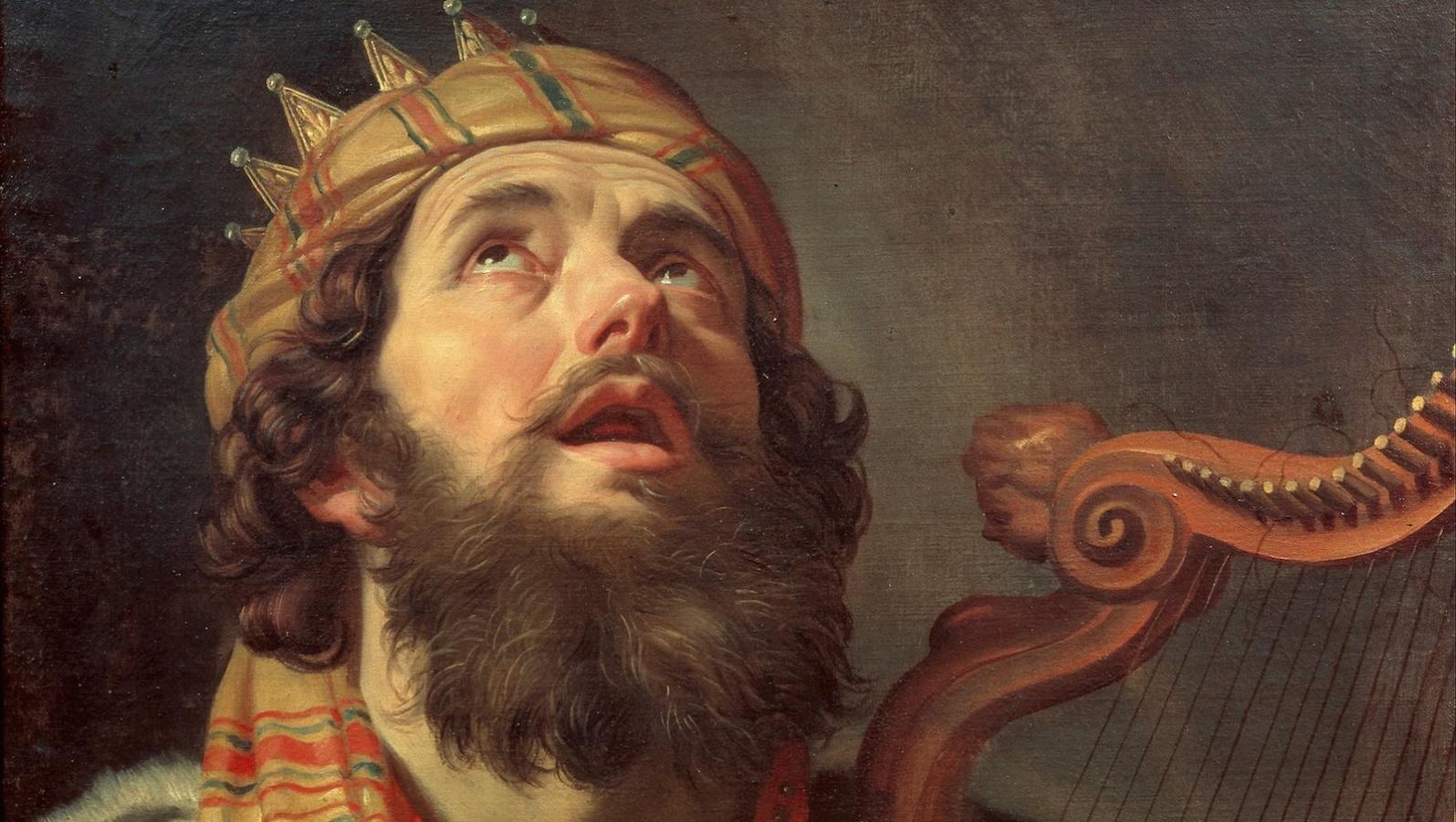
David made the same point: "Where shall I go from Your Spirit? Or where shall I flee from Your presence? If I ascend to heaven, You are there! If I make my bed in Sheol, You are there! If I take the wings of the morning and dwell in the uttermost parts of the sea, even there Your hand shall lead me, and Your right hand shall hold me. If I say, 'Surely the darkness shall cover me, and the light about me be night,' even the darkness is not dark to You; the night is bright as the day, for darkness is as light with You" (Psalm 139:7-12). 

However, though the two passages make the same point, they reveal very different attitudes toward that truth. In Jeremiah, God is rebuking the Israelites for imagining that the idolatries that they perform in secret are hidden from the God whom they profess. In contrast, David describes that same omnipresence as a comfort, knowing the presence of God both as his defender and as a spur to reject temptation. 

Do we see America's professing Christians in either of these passages? We still have enough of our Christian heritage left that few profess outright atheism or worship pagan deities. Yet, we see the false promise of Satan, that he will give his devotees autonomy from the rule of God, in the actual spiritual practice and lives of those same Christians. 

We go to church on Sunday, pray, sing God's praises, and read His word. Then Monday through Saturday, too many of us live as the pagans we really are, whether it is treachery toward loved ones, sexual immorality, covetousness, or any of the other sins in our minds that are not visible to others, we imagine that God sees nothing of them. We are free to lust because these six days belong to us, and God gets His required share on Sunday mornings. 

That is exactly what God rebukes through Jeremiah. Do we imagine that God sees us on Sunday mornings, but then turns blind Monday through Saturday? Many Christians act as if that is the case. But His point, as well as that of David, is that autonomy is a pipe dream, because God is everywhere, always knowing, and sees the truth of our hearts. Who is sovereign? God or us? God does not share. 

Saturday, November 20, 2021

The Sovereignty of God over His Enemies


The Bible gives us accounts of several cases in which God interacts with Satan or Satan's demonic minions. For example, we read this story in Job 1:6-12: "Now there was a day when the sons of God came to present themselves before the Lord, and Satan also came among them. The Lord said to Satan, 'From where have you come?' Satan answered the Lord and said, 'From going to and fro on the earth, and from walking up and down on it.' And the Lord said to Satan, 'Have you considered My servant job, that there is none like him on the earth, a blameless and upright man, who fears God and turns away from evil?' Then Satan answered the Lord and said, 'Does Job fear God for no reason? Have You not put a hedge around him and his house and all that he has, on every side? You have blessed the work of his hands, and his possessions have increased in the land. But stretch out Your hand and touch all that he has has, and he will curse You to Your face.' And the Lord said to Satan, 'Behold, all that he has is in your hand. Only against him do not stretch out your hand.' So Satan went out from the presence of the Lord.

What we see is that Satan, the commander of the demons, must give answer to God for his activities. This chieftain of wickedness cannot claim for himself even the autonomy with which he tempted Adam and Eve in the Garden of Eden. We see this in every interaction between the Father or the Son and any of the minions of Hell. Never does a demon act apart from divine permission, even when the woman is possessed by a legion of demons, or approximately six thousand (Mark 5:1-20). Even with such a number, the demons cower before the incarnate divine Son (verses 10-12). They knew that a day will come when He will judge them to their final imprisonment (Luke 8:31). 

In his catechism, question #28, Calvin addressed this subservience from the demons: "What sayest thou as touching the devils and wicked persons? Be they also subject to Him? A: Albeit that God doth not guide them with His Holy Spirit, yet He doth bridle them in such sort that they be not able to stir or move without His permission and appointment; yea, and moreover He doth compel them to execute His will, although it be against their intent and purpose." 

Wednesday, October 27, 2021

Faithful Prayer in a Sinful World

"You can never believe greater or better things than God can do for you. Even sin itself, which is the great (and really the only) evil; it is His enemy as much as yours: and you may be sure He would not have suffered its being in the world if He had not a power to correct and curb it, yea, and to destroy it, too, at His pleasure: take hold of His sovereign strength, and your work is done." 

-Puritan Elisha Coles, "A Practical Discourse of God's Sovereignty" 

It is easy for a Christian to be discouraged from prayer, because of the wickedness and suffering we see in the world. Do such things not show that God has no control over this world? How, then, can I trust Him to answer my prayers? This is a variant of the argument from evil used by atheists. How can your God exist, they challenge, if this world contains so much evil? 

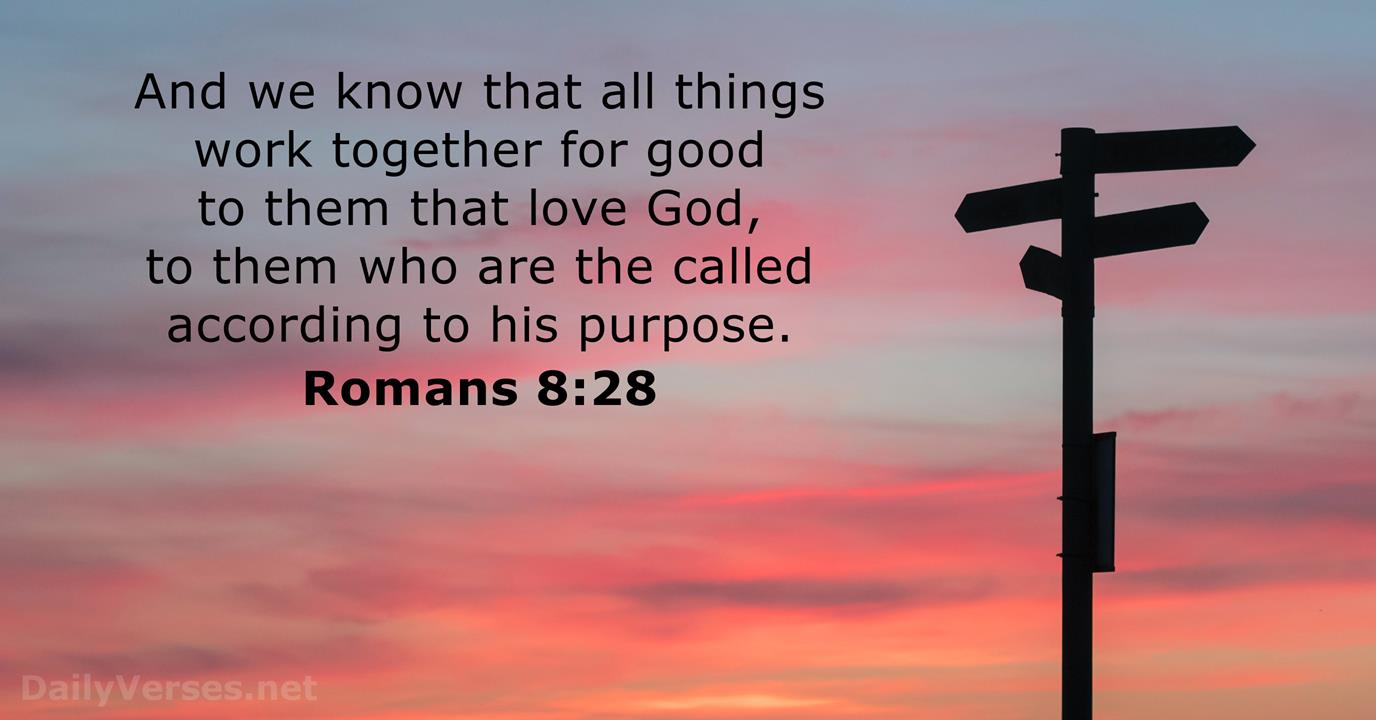
That is because the unbeliever can draw no hope from the promises of God: "We know that, for those who love God, all things work together for good, for those who are called according to His purpose" (Romans8:28). The Apostle Paul suffered far more than most modern Christians will ever know, beatings, imprisonments, and finally execution. Yet this same man put his hope in the awareness that God, far from being helpless, is the divine sovereign over all that happens, making it of eternal benefit to the one who experiences such things in this life. And that is what Coles describes in the quote at the top. The presence of evil and suffering in this world is only at the sufferance of a sovereign God, not a sign of His indifference or powerlessness. Furthermore, He uses such things to shape us into His servants, prepared to do His will both in this world and in the next.


Saturday, September 18, 2021

The Sovereignty of God Over the Days of Our Lives

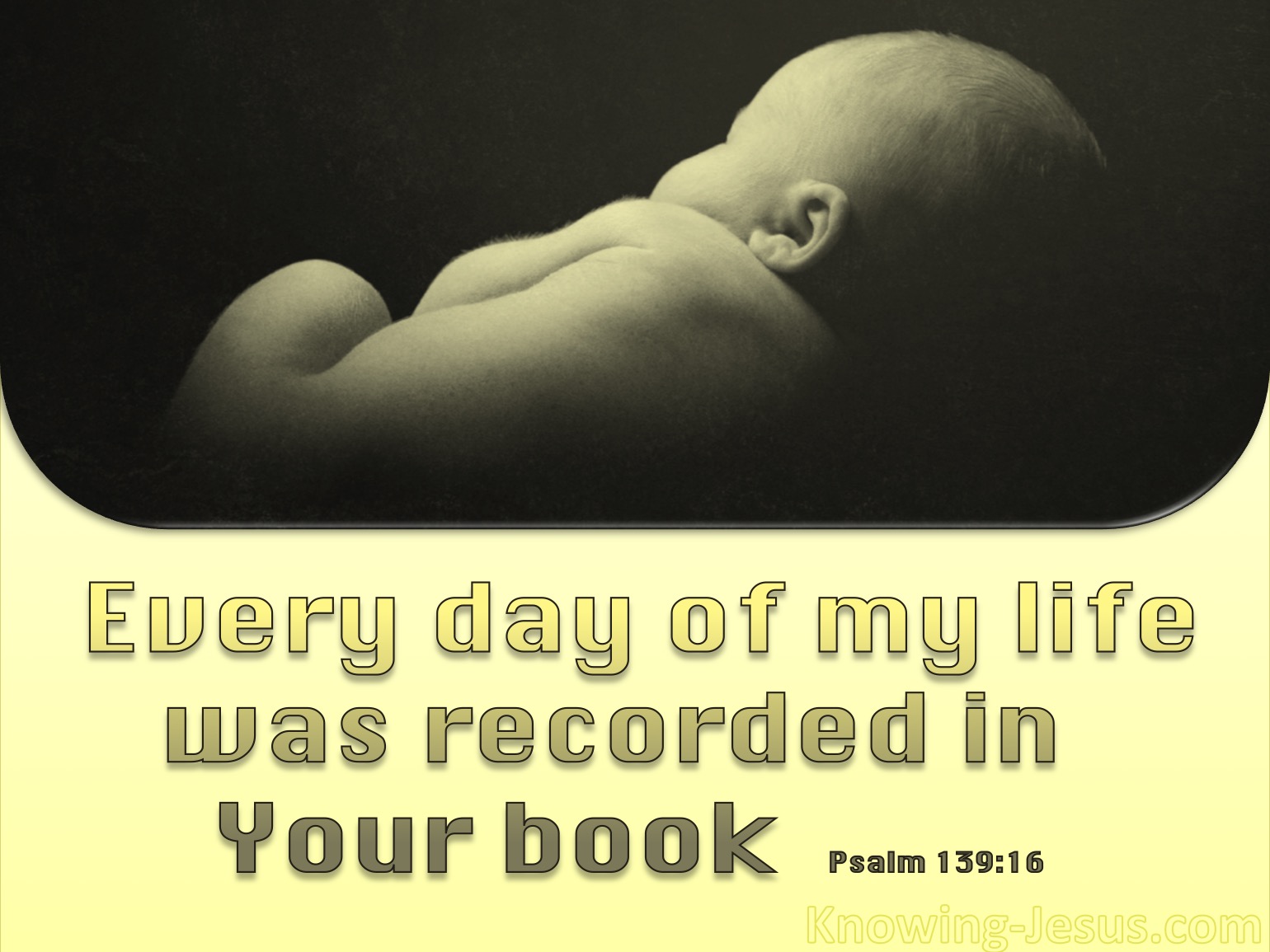
"Your eyes saw my unformed substance; 

In Your book were written, every one of them, 

The days that were formed for me,

When as yet there was none of them." 

- Psalm 139:16 

In this verse, David praises God for that which so many modern evangelicals reject, His sovereign planning of the intimate details of our lives. In verse 6, he even says, "Such knowledge is too wonderful for me." But the American evangelical responds by squawking, "Free will! Free will! Free will!" with the same cadence and lack of thought as the seagull at the beach. If there were thought in their kneejerk response, they might recognize that their objection is the same that Satan offered Adam and Eve in their temptation (Genesis 3:5), i. e., the illusion of autonomy.

The problem for these devotees of their Saint Pelagius is that their holy invocation of "free will" is not biblical. The verse above is just one example to the contrary. Another that I like is, "I am God, and there is none like Me, declaring the end from the beginning, and from ancient times things not yet done, saying, 'My counsel shall stand, and I will accomplish all My purpose'" (Isaiah 46:9-10). And this verse provides the key, which is missed by too many professing Christians. The Bible includes God's absolute sovereignty in His nature as the unique living God. A god without sovereignty is not the God of the Bible, and, therefore, is a mere idol of men's fantasy. 


Wednesday, August 25, 2021

The Wonder of God's Sovereignty


"Your eyes saw my unformed substance; in Your book were written, every one of them, the days that were formed for me, when as yet there was none of them" (Psalm 139:16).

In poetic fashion, David here describes God's foreordination of all that comes to pass in the life of the believer. He refers to god's book, elsewhere (such as Revelation 13:8) called the book of life, in which God had purposed everything in our lives, even before our existence. Notice that David considers that foreordination to be a source of comfort, not the fatalism with which it is so commonly caricatured by today's anti-Calvinists. 

"Such knowledge is too wonderful for me; it is high; I cannot attain it," David says (verse 6). "You formed my inward parts; You knotted me together in my mother's womb. I praise You, for I am fearfully and wonderfully made. Wonderful are Your works; my soul knows it very well. My frame was not hidden from You, when I was being made in secret, intricately woven in the depths of the earth" (verses 13-15). 

The anti-Calvinist makes disparaging remarks, such as that God's absolute sovereignty makes men into mere robots. Yet, David here describes it as a matter of wonder and praise. That is why Calvinists get so exasperated when attacked by anti-Calvinists. We refuse to accept demonization because we have the same attitude as that expressed here by David. Rather, it is the anti-Calvinist who should be ashamed, for advocating the same human autonomy that Satan offered to Adam in Genesis 3:5. That autonomy, whether in the mouth of Satan or in the mind of the Arminian is a deception. God does not abdicate His throne for men or devil. 

Wednesday, March 3, 2021

The Sovereignty of God Leaves No Autonomy for Men

 Sometimes it is funny to talk to people not well-versed in sound biblical theology. When I ask them, "Do you believe in the sovereignty of God?," they always answer, "Of course!" Then, however, the footnotes start coming out, like the small print in a credit card commercial. "But He gives us free will, to choose to sin or not, to believe or not, to do good works or not." So, in reality, those people consider themselves to be sovereign, not God. That causes me to wonder if they have skipped over the large portions of Scripture that say otherwise. 

For example, in II Samuel 24:1, we read these words: "The anger of the Lord was kindled against Israel, and He incited David against them." The account in I Chronicles adds an additional detail: "Then Satan stood against Israel and incited David" (I Chronicles 21:1). So, we have two different writers in their respective books telling us that God had determined to punish Israel but inciting David to sin. God is sovereign over the sins of men. Furthermore, the two books tell us that God uses means to bring about that sin. II Samuel just tells us that David himself is the means. I Chronicles gives us the additional information that He used Satan to incite David. Thus we know that God is sovereign over not just the sins of men, but over the temptations of Satan, as well. 

The story continues: "So the Lord sent a pestilence on Israel from the morning until the appointed time. And there died of the people from Dan to Beersheba 70,000 men. And when the angel stretched out his hand toward Jerusalem to destroy it, the Lord relented from the calamity and said to the angel who was working destruction among the people, 'It is enough; now stay your hand.' And the angel of the Lord was by the threshing floor of Araunah the Jebusite. Then David spoke to the Lord when he saw the angel who was striking the people, and said, 'Behold, I have sinned, and I have done wickedly. But these sheep, what have they done?'..." (II Samuel 24:15-17). The parallel in I Chronicles 21:14-15 says, "So the Lord sent a pestilence on Israel, and 70,000 men of Israel fell. And God sent the angel to Jerusalem to destroy it." The important thing to see here is that God had sovereignly incited the sin, yet still punished Israel for it. Also, it was David's sin (as he acknowledges in II Samuel 24:17), but God punishes the entire nation. That is simply because David was the covenant head of the nation; therefore, his sin was imputed to all of those who were covenantally represented by him. We are also again told of God's use of means, this time an angel (probably a parallel to the curse on Egypt in (Exodus 12:23, "destroyer"). 

The issue is very simple: fallen man wants to keep some of the autonomy promised to him by Satan in the fall of Adam (Genesis 3:5). Even the professing Christian struggles to relinquish his false sense of self-ownership. yet, God claims absolute sovereignty, over man, over sin, over Satan, and even over salvation. We must come to see that God's worldview is God-centered, no matter how much we want Him to be us-centered.

Saturday, August 15, 2020

How the Church Paved the Way for Humanism

There has long been a tradition of dividing the Ten Commandments into two tables, commandments one through four and then five through ten. I am OK with that division. The first four deal primarily with man's relationship with God, and the other six primarily with his relationship with his fellow man. They are often portrayed this way in images of the commandments. That might be a bit fanciful. We have no record of how they were divided between the two tablets. Or even if they were divided. Some people believe that each tablet displayed all ten.

That's fine so far. 

There is also a common view that the civil government is supposed to enforce the second table, the laws against thievery and murder, etc., but has no authority over the first four. 

My question is this: Why? 

Sometimes the answer is that the First Amendment to the Constitution forbids it. We have freedom of religion in this land, so we can't have laws against idolatry. Yet our country has a heritage of so-called "blue laws," laws that required businesses to be closed on Sunday in honor of the Sabbath. "Blue," in this case, derives from a historical usage, in which "blue" was used for something which was overly strict. It was a pejorative term, but passed into general usage. The courts have upheld Sunday-closing laws on secular grounds, such as the practicality of providing a day off for workers. 

However, the question must be, Why does the First Amendment - in reality, the Supreme Court's interpretation of the First Amendment - outweigh God's commandments? Should a cultural preference become the standard by which even Christians are to live, over the Word of God? 

When God tells us, "You shall have no other gods before Me" (Exodus 20:3), His desire is clear. So also when He says, "You shall not make for yourself a carved image, or any likeness of anything that is in heaven above, or that is in the earth beneath, or that is in the water under the earth. You shall not bow down to them or serve them, for I the Lord your God am a jealous God" (verses 4-5). So, on what grounds do we decide that His will in these two commandments is less important that it is when He says, "You shall not murder" (verse 13)? There is certainly no biblical justification for that judgment. 

When the Westminster Standards were originally written, the Larger Catechism, question and answer 109, included among the sins forbidden by the Second Commandment, "tolerating a false religion."  However, in 1788, when the first Presbytery of the Presbyterian Church met in the newly-independent United States, they removed that clause as offensive to religious liberty. Not as offensive to the Word of God. 

What this should tell us is that the secular humanism which has come to dominate these United States is not a new phenomenon, and did not suddenly puff into existence because prayer was removed from government schools in the 1960's. Rather, it was the culmination of that decision in 1788 to place political and cultural considerations above the enscripturated Word of God. The door was opened to the supposed independence of "secular life" from God. Now we have parts of our lives which are designated "religious," and parts which are designated "secular." And the humanists are perfectly happy with allowing Christians to enjoy that distinction, because it turns all of life outside the church doors over to them. And the church doors are only a temporary barrier, until the humanists have secured their territory against that day.

Saturday, June 27, 2020

What Is the Fear of God?

To the modern reader, there may be nothing written in Scripture more bewildering than one short phrase: "the fear of God." For example, believers are given this commandment: "You shall not wrong one another, but you shall fear your God, for I am the LORD your God" (Leviticus 25:17). In contrast, the fear of God is described as the one thing that unbelievers lack: "There is no fear of God before their eyes" (Romans 3:18).

Then we have this verse: "Do not fear, for God has come to test you, that the fear of Him may be before you, that you may not sin" (Exodus 20:20). Do not fear, but fear?

Ah, but then we see some light at the end of this tunnel: "That you may not sin."

Consider also this verse: "You shall walk after the LORD your God and fear Him and keep His commandments and obey His voice, and you shall serve Him and hold fast to Him" (Deuteronomy 13:4).

From our own cultural perspective, we naturally see "fear" as meaning "be afraid." And the example from Exodus shows that it means that in the Bible sometimes, too. However, it has a broader meaning than we give it today.

We Americans have never had a king, so we sometimes miss some of the imagery of the Bible, which unreservedly portrays God as an absolute king, even calling Him, "He who is the blessed and only Sovereign, the King of kings and Lord of lords" (I Timothy 6:15). The God of the Bible is King in such an absolute sense that He is king of all kings, and lord so absolutely that He is lord of all lords. We are to understand His rule as so singularly absolute that we have no higher words by which to name it.

Now think of the average person on the street who randomly runs into the President, or Prince William, or some TV or sports celebrity. In such a circumstance, the person is often struck dumb with awe, trembling even. He isn't afraid of the personage in the sense that he fears that he will be hurt. Rather, he is struck with such an awe that he cannot conceive of any other thought or action.

To a greater extent, that is the fear of God described in Scripture. The believer is so in awe that he cannot be distracted by any lesser concern or influence. That is why Moses can say that it is fear of God that inspires us to serve Him and hold fast to Him. This isn't a fear of punishment. Rather, it is an awe that precludes any lower considerations. Moreover, the hard part for an American is that it leaves no room for personal autonomy. God is the absolute sovereign, not me. This is not a democratic concept!

Wednesday, May 6, 2020

Logic, Fairness, and the Anti-Calvinist

When I run into someone who wants to rail against the doctrine of election - something which happens frequently - he usually takes one of two approaches, one of which is to argue that  it is unfair to discriminate, and the other is to invent a caricature that it means that God refuses salvation to someone who wants it. The caricature is refuted simply by its supposition of an impossibility (John 6:44).

In response to the first, I don't believe that anyone holds such a blatantly humanistic attitude. After all, I don't know of any serious Christian who holds that "fairness" is a biblical value. Besides which, the Scriptures contain an explicit answer to that very argument: "What shall we say then? Is there injustice on God’s part? By no means! For He says to Moses, 'I will have mercy on whom I have mercy, and I will have compassion on whom I have compassion.' So then it depends not on human will or exertion, but on God, who has mercy...  So then He has mercy on whomever He wills, and he hardens whomever He wills. You will say to me then, 'Why does He still find fault? For who can resist His will?' But who are you, O man, to answer back to God? Will what is molded say to its molder, 'Why have you made me like this?' Has the potter no right over the clay, to make out of the same lump one vessel for honorable use and another for dishonorable use?" (Romans 9:14-16, 18-21). Paul tells us that God acts according to His sovereign will. In response, he describes a hypothetical opponent who complains that God is unfair in then judging the sinner to whom God chooses not to extend mercy. Without even giving that argument credence, Paul answers that God, as Creator, has the right to treat His creatures as satisfies Him, not us.
 
I think the real problem is that the opponent of Calvinism doesn't really believe that men deserve judgment to Hell. He will say it under other circumstances, that the unbeliever will go to Hell if he fails to repent. But, at the same time, he secretly believes that the unbeliever deserves to be given repentance, whether he wants it or not.

The answer is not found just in Scripture, but also in reason.

"Out of this race of guilty and polluted sinners, thus justly condemned, God graciously and eternally elected some to life and happiness and glory, while He left the rest in their state of wretchedness and ruin, and determined to inflict upon them the punishment which they justly deserved. The reason why He elected some and passed by others, when all were equally undeserving, is to be referred wholly to Himself - to the counsel of His own will or to His mere good pleasure" (James Henley Thornwell, "Election and Reprobation," emphasis mine).


Thornwell gives the right answer here. It is true that election is not fair. But fairness would send all of the wicked, that is, every member of the human race, to Hell as his deserved judgment. That is really what the anti-Clavinist seeks with his argument. Not that he would admit it, of course. But logically, the conclusion is unavoidable.

Saturday, March 28, 2020

Esau and Jacob: The Holy Discrimination of God

 I have mentioned before that anti-Calvinists have certain verses which they consider "trump verses" against Calvinism. No matter how many verses a Calvinist cites in support of the doctrines of grace, his opponent will plunk out one of these trump verses and congratulate himself for, supposedly, ending all debate. Of course, the number one verse is John 3:16, which I have addresses here and here.

In this post, I want to address the phrase, "God is no respecter of persons" (Acts 10:34). Supposedly, this verse says that God does not discriminate between any two people. And in isolation, it might be taken that way, as is the wont of isolated prooftexts. However, doing so ignores the actions that God says that He has taken, making distinctions between people, both as individuals and as groups.

The obvious example, of course, is Romans 9:6-13 (referring back to Malachi 1:2-3): "Not all who are descended from Israel belong to Israel, and not all are children of Abraham because they are his offspring, but 'Through Isaac shall your offspring be named.' This means that it is not the children of the flesh who are the children of God, but the children of the promise are counted as offspring. For this is what the promise said: 'About this time next year I will return, and Sarah shall have a son.' And not only so, but also when Rebekah had conceived children by one man, our forefather Isaac, though they were not yet born and had done nothing either good or bad—in order that God’s purpose of election might continue, not because of works but because of Him who calls— she was told, 'The older will serve the younger.' As it is written, 'Jacob I loved, but Esau I hated.'" This is clearly a discrimination between two people, the twin brothers Esau and Jacob (see, in passing, Genesis, chapters 18-33). God claims the right to choose between Esau and Jacob, even before they were born, before they had done anything good and evil. On what basis? "I will have mercy on whom I have mercy, and I will have compassion " (Romans 9:15; see also verse 16). That is sovereign election, and God feels no compunction to explain beyond that.

When the anti-Calvinist cites Acts 10:34, he should also look at Acts 15:8-9: "God, who knows the heart, bore witness to them, by giving them the Holy Spirit just as He did to us, and He made no distinction between us and them, having cleansed their hearts by faith." Peter is expressing the surprise of the disciples upon learning that God has extended salvation even to the Gentiles, on the same basis as the Jews, i. e., by faith alone. The disciples were astonished at this, because the Jews had always though of God and the Messiah-to-come as their special reserve, not for the unclean Gentiles.

And this explains how God does and does not discriminate between men. He shows no concern for the characteristics which men value, such as wealth or physical beauty. His standard is His own will alone, the ultimate in justice. He tells us this explicitly in His choosing of David to replace the line of Saul on the throne of Israel: "Do not look on his appearance or on the height of his stature, because I have rejected him. For the LORD sees not as man sees: man looks on the outward appearance, but the LORD looks on the heart" (I Samuel 16:7).

Thus we see that God is certainly discriminatory, and the plunking down of Act 10:34 to claim otherwise is to ignore the message of Scripture for debate points.

Wednesday, February 26, 2020

The Justice of Reprobation

There is a hard verse in Scripture. Not just hard, but hard.  It is Romans 9:21: "Has the potter no right over the clay, to make out of the same lump one vessel for honorable use and another for dishonorable use?" In this verse, God refers to Himself figuratively as a potter, who has made mankind from a lump of clay (Genesis 2:7). He looks at this lump as after the Fall, the mass of sinful humankind. As formed from one lump, every human is by nature equivalent to every other. Yet, as the potter, God chooses to form some lumps for honorable use, i. e., the elect, making them honorable, and some for dishonorable use, i. e., the reprobate. All men are by nature dishonorable. Yet, upon some He chooses to be merciful, and others are left condemned.

Even among Christians, this verse is blanked out, or explained away by semantic acrobatics. Why? Because there can be no greater ax laid to the pride of men than to be told that God is in absolute control, and men are absolutely without sovereignty.

One of the worse ways that men fight against this truth of God's sovereignty is by the creation of caricatures. For example, I have been told by actual opponents that this means that some men would be begging to be saved, to be forgiven, yet God will refuse them because they are not among the number of the elect.

That caricature is demonstrated to be humanistic drivel by one simple truth: it describes an impossibility. The Scriptures tell us that no man of himself seeks God: "None is righteous, no, not one; no one understands; no one seeks for God" (Romans 3:10-11). We even have the words of Jesus Himself: "No one can come to Me unless the Father who sent Me draws him" (John 6:44). So, even the proposition of this caricature is to claim that Jesus and Paul were mistaken about the nature of men. 

Furthermore, all objections to the doctrine of reprobation erroneously assume that men deserve to be saved. They deny the sinfulness of sin. They deny that all sinners deserve the judgment of Hell. Yet these same evangelicals will quote the answer in other circumstances: "The wages of sin is death" (Romans 6:23). Therefore, "it depends not on human will or exertion, but on God, who has mercy" (Romans 9:16). The objector to God's sovereignty has the truth reversed. It is the reprobate who receives justice. He only gets what his sins have earned him. The elect receives mercy, not what he deserves. No one ever receives injustice.

"None but a sinner can be a suitable subject of reprobation, and men are reprobated only as sinners; but one man is passed by and another elected, not because one was a greater sinner than the other, but because God saw fit to do so" (James Henley Thornwell, "Election and Reprobation").

Saturday, February 8, 2020

The Knowledge of Election: Avoiding the Effort to Be Wise Above What is Written

When dealing with even professed Christians on Facebook, I get a continuous stream of questions about hypothetical issues. Today someone asked, "What if Noah were really the Archangel Gabriel?" I am not making that up. 

This is especially true when discussing the doctrines of grace with people not from a Reformed background. They are constantly demanding an answer -  i. e., one that will satisfy them - as to why God chooses one person over another. Other than according to mercy alone (Romans 9:16) for His glory alone (Ephesians 1:6), Scripture does not give us an answer. Rather, we are given this rebuke: "Who are you, O man, to answer back to God? Will what is molded say to its molder, 'Why have you made me like this?' Has the potter no right over the clay, to make out of the same lump one vessel for honorable use and another for dishonorable use?" (Romans 9:20-21). The answer is simple, Paul tells us. God makes His decision on the basis that he chooses because He is God and we are not, so stop prying into things above your station!

And Paul is answering on the basis of a longtime Biblical tradition, going back to Moses: "The secret things belong to the LORD our God, but the things that are revealed belong to us and to our children forever, that we may do all the words of this law" (Deuteronomy 29:29; see also Paul's remarks in I Corinthians 4:6 and Colossians 2:8). Moses tells us that God has given us everything we need to know for salvation and sanctification in the Bible. Beyond that revelation, whatever imaginations arise from our inordinate curiosity are to be cast aside. "The whole counsel of God, concerning all things necessary for his own glory, man’s salvation, faith, and life, is either expressly set down in Scripture, or by good and necessary consequence may be deduced from Scripture: unto which nothing at any time is to be added, whether by new revelations of the Spirit, or traditions of men" (Westminster Confession of Faith, I:6).

"Men of inquisitive and speculative minds are apt to forget that there are limits set to human investigation and research, beyond which it is impossible to pass with safety or satisfaction. To intrude with confidence unto the unrevealed secrets of God's wisdom and purpose manifests an arrogance and haughtiness of intellect which cannot fail to incur the marked disapprobation of heaven, and should always meet the prompt reprobation of the pious.Whatsoever is useful to be known, God has kindly and graciously revealed, and it argues no less ingratitude than presumption to attempt to be 'wise above what is written'" (I Corinthians 4:6, James Henley Thornwell, "Election and Reprobation").

Saturday, December 14, 2019

Unbelief Is Ingratitude

In Romans 1:18-25, the Apostle Paul gave this description of the unbeliever: "The wrath of God is revealed from heaven against all ungodliness and unrighteousness of men, who by their unrighteousness suppress the truth. For what can be known about God is plain to them, because God has shown it to them. For His invisible attributes, namely, his eternal power and divine nature, have been clearly perceived, ever since the creation of the world, in the things that have been made. So they are without excuse. For although they knew God, they did not honor Him as God or give thanks to Him, but they became futile in their thinking, and their foolish hearts were darkened. Claiming to be wise, they became fools, and exchanged the glory of the immortal God for images resembling mortal man and birds and animals and creeping things. Therefore God gave them up in the lusts of their hearts to impurity, to the dishonoring of their bodies among themselves, because they exchanged the truth about God for a lie and worshiped and served the creature rather than the Creator, who is blessed forever! Amen." 

He tells us several surprising things. First of all, unbelief is not ignorance. God has so revealed Himself that no man can claim that he does not know about God (see, for example, Psalm 19:1-4). There is no such thing as an atheist. Every single human being who lives now, has ever lived, or will ever live, knows that God exists and that he is accountable to Him. 

Which leads us to the second surprise, that men hate that knowledge, and try to suppress it. That is the origin of both pagan religions and atheism, the heart of the unbeliever's effort to bury the knowledge of God, in order to remain free to imagine that he is sovereign over his life and can decide right and wrong for himself. 

This hatred of God, commonly called unbelief, expresses itself in the use of God's gifts, such as the air we breathe, the food we eat, and the water we drink, while crediting it to ourselves or to some other source apart from God. Unbelief is founded on ingratitude! 

"Such a conduct as the generality of men are guilty of towards God, continually and through all ages, in innumerable respects, would be accounted the most vile contemptuous treatment of a fellow creature, of distinguished dignity. Particularly men's treatment of the offers God makes of Himself to them as their friend, their Father, their God, and everlasting portion; their treatment of the exhibitions He has made of His immeasurable love, and the boundless riches of His grace in Christ, attended with earnest repeated calls, counsels, expostulations, and entreaties; as also of the most dreadful threatenings of His eternal displeasure and vengeance" (Jonathan Edwards, "Original Sin," Book 1, section 5).


Wednesday, July 24, 2019

The Biblical God Has Teeth!

American evangelicalism has become a weak and insipid religion because it teaches a weak and insipid God. He is like an indulgent grandfather who loves everyone, and exists only to make us feel good. We have stripped away His wrath, His sovereignty, even His independence. Evangelicalism has become the religion of happiness, with a God who has been redesigned to provide it.
Things That God Never Said

As part of that process, large parts of Scripture have been discarded, because they are offensive. Some people, such as Andy Stanley, make it explicit, telling us that we should "jettison" the Old Testament, because it will hurt someone's feelings. At least he is consistent: "I don't like what the Bible says, so I'll get rid of it." However, I wonder if he understands that he has demonstrated that he is not a Christian.

The biblical view of God is very different from the candyman of the evangelical: "The LORD is a jealous and avenging God; the LORD is avenging and wrathful; the LORD takes vengeance on his adversaries and keeps wrath for his enemies" (Nahum 1:2).

What the modern evangelical has really jettisoned is the sinfulness of sin. Where sin has now become offending some other human being, the reality of it is that sin is whatever offends God! And where offending a human being is merely saying or doing something which exposes him to anything outside his comfort zone, offending God is an act of treason, to rebel against our creator, lawgiver, and proper Monarch. 

And He responds accordingly, as He says through Nahum.

Saturday, June 29, 2019

Does Supralapsarianism make God the Author of Sin?

"If our unrighteousness serves to show the righteousness of God, what shall we say? That God is unrighteous to inflict wrath on us? (I speak in a human way.) By no means! For then how could God judge the world? But if through my lie God’s truth abounds to his glory, why am I still being condemned as a sinner?" (Romans 3:5-7).

A common accusation against supralapsarianism, especially from Arminians, but also even from professing Calvinists, is that it makes God the author of sin. They point out, correctly, that supralapsarianism teaches that God predestined the Fall. Therefore, they say, He forced Adam and Eve to sin. However, that is a false equivalency. Predestination does not imply force, as Calvinists have always said: "Nor is violence offered to the will of the creatures, nor is the liberty or contingency of second causes taken away, but rather established" (Westminster Confession of Faith III:1). Adam and Eve chose to sin. The fact that their choice was consistent with God's decree doesn't change the fact that it represented what they wanted to do. 

Furthermore, the choice of Adam and Eve was to commit an evil act. They knew the commandment of God regarding the tree. They understood that they were disobeying that commandment. And they knew that the desire underlying that choice was to achieve Satan's promise of autonomy from the lordship of God (Genesis 3:5). In every way, what they sought was wickedness. And that was why their choice properly brought them under the judgment of God.

In His decree, however, God had a very different purpose, as Paul describes in the verses above. God's decree of the Fall was certainly not to grant autonomy to Adam and Eve. That would, indeed, have been to seek a sinful end. Rather, the decree was intended to bring about His own glory, the highest good that is possible! That is, God's decree that Adam would fall into wickedness was to the highest good that any end could be.And, therefore, the cavil of the Arminian is refuted.